
Home lifts for seniors are often part of a bigger decision to make a house easier, safer, and more comfortable to live in for the long term. House Elevator helps families review residential lift options that support aging in place without losing the feel of home.
Whether you are comparing options for a renovation, a new build, or a long-term accessibility plan, clear pricing guidance and an early review of fit and specifications will help you narrow the right direction faster.
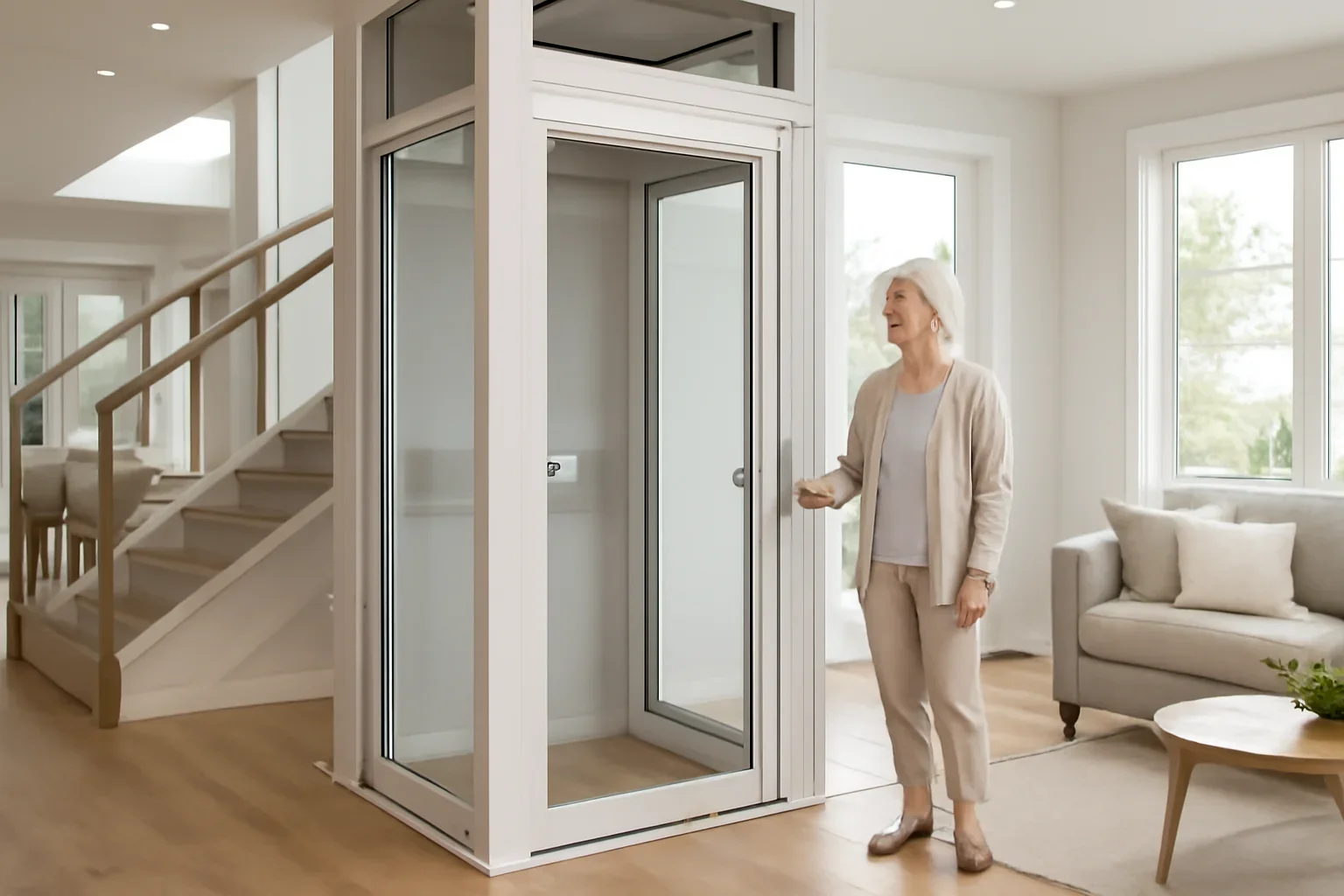
Home Lifts for Seniors are usually chosen when the household needs a stronger floor-to-floor solution that still feels appropriate for residential living.
A lift can reduce the stress of stairs and make daily routines easier for the homeowner and the family around them.
The right solution should work now while still making sense if mobility changes later.
Good planning keeps the lift practical, discreet, and suited to everyday living.

Families often begin this conversation because the stairs are becoming a daily obstacle or because they want to avoid a rushed decision later. A lift can help preserve independence, support aging in place, and reduce strain without forcing a move from a familiar home.
The best outcome comes from looking at how the house is used now, who needs the lift most, and what level of support may matter in the future. That gives the project a clearer direction and helps families compare options more calmly.
No. Many families plan a lift before stairs become a larger issue so the home remains easier to use over time.
Yes. Residential lift planning can prioritize both function and a design that suits the home.
Discuss which floors matter most, how quickly the project is needed, and whether the goal is immediate support, future-proofing, or both.
Use these pages to compare fit, cost, and the next planning steps before you move forward.
Compare two common aging-in-place options.
See how accessibility-led residential elevators are planned.
Use a checklist to organize the decision.
Tell us who the lift is for and how the home is used now.
Share your home type, number of floors, and the main reason you are exploring a residential elevator now. We will outline the right next step without turning the first conversation into guesswork.
Helpful details include photos, rough dimensions, and whether the project is a retrofit or new build.
